A diagnostic process built around proof
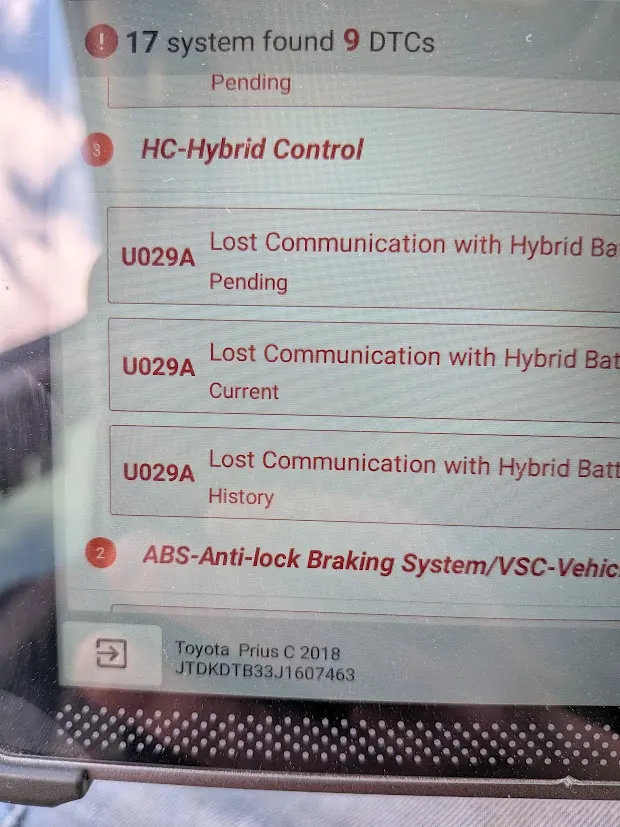
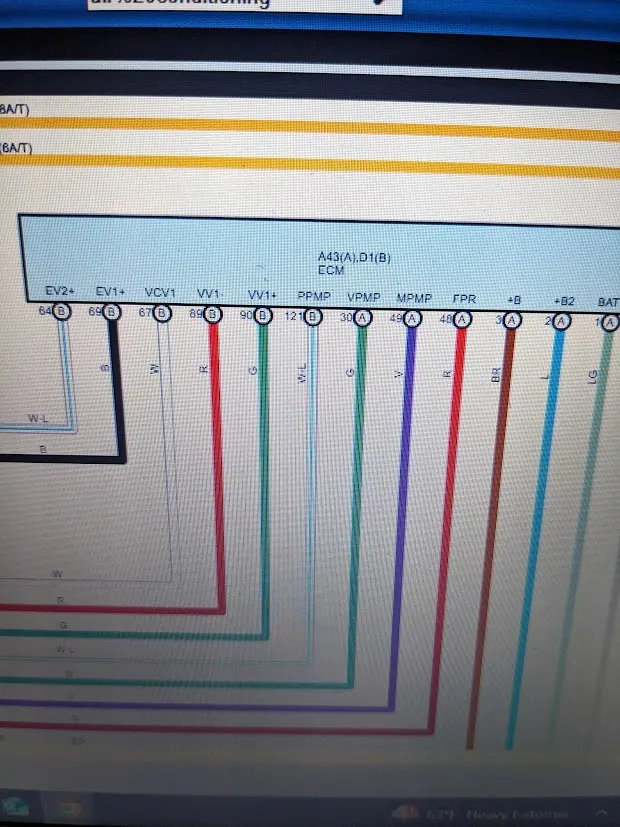
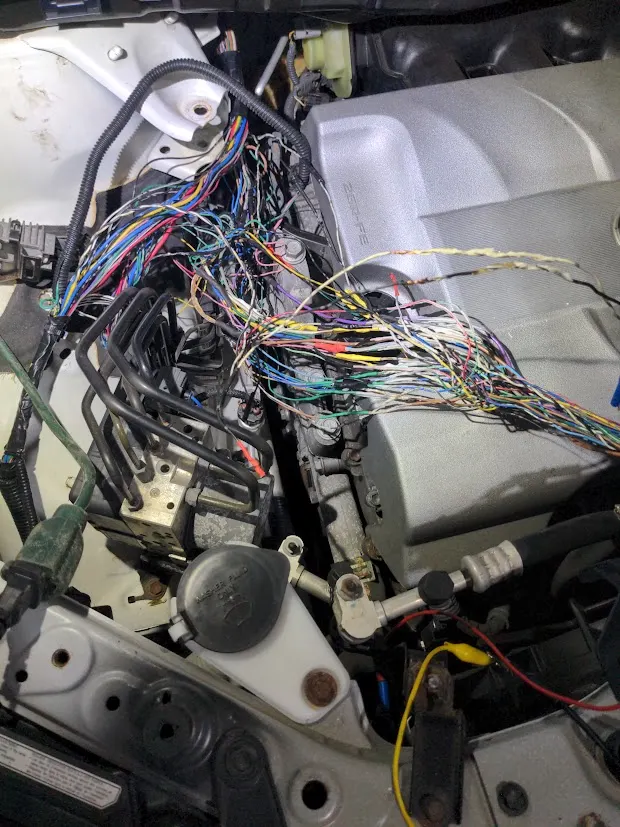
Modern vehicles need more than a code read. Fault codes point toward a system, but testing identifies why the system is failing. CKP Auto Repair uses scan data, electrical measurements, wiring information, circuit testing, component verification, and experience before recommending repairs.
When should you schedule diagnostic service?
Diagnostic service is a good fit when symptoms are repeatable, intermittent, confusing, or have returned after previous repairs.
- Warning lights that come back
- Intermittent no-start conditions
- Communication faults or multiple module codes
- Rough running, hesitation, stalling, or poor fuel economy
- Hybrid warning messages
- Problems another shop has inspected but not resolved
If the vehicle has already been inspected elsewhere
Bring any notes, invoices, fault codes, or parts already replaced. Prior information can help, but CKP Auto Repair still verifies the concern and tests the affected systems instead of assuming the previous conclusion was correct or incorrect.
How diagnosis usually works
The process is methodical: confirm the concern, gather codes and live scan data, test the affected systems, identify the root cause, then explain the findings before repairs begin.
- 1. Confirm the concern
- 2. Gather codes and scan data
- 3. Test the affected systems
- 4. Identify the root cause
- 5. Explain findings before repairs begin
Photos From the Shop
Common Questions
Is reading codes the same as diagnosis?
No. Codes identify a system or condition the vehicle detected. Diagnosis uses testing to find the actual cause before parts are replaced.
Do you diagnose intermittent problems?
Yes. Intermittent concerns can take methodical testing and verification, especially when electrical, network, or hybrid systems are involved.